Get Propane Line Installation
Propane line installation services help property owners safely set up and connect propane lines for appliances, heating systems, and outdoor projects.
Propane line installation is an essential service for property owners seeking reliable and efficient energy solutions. Whether upgrading existing systems or planning new setups, ensuring proper installation is key to safe and consistent propane supply. Property owners in the area may explore this work to support heating, cooking, or outdoor appliances, making it a practical consideration for maintaining comfort and functionality.
For those interested in this type of project, it’s helpful to compare options among local contractors who specialize in propane line services. Finding experienced and qualified service providers can make the planning process smoother and ensure the work aligns with safety standards. Keep reading to discover how to connect with trusted local experts who can assist with your propane line installation needs.
- Propane Line Installation - needed when installing a new propane appliance or expanding an existing propane system.
- Propane Line Repair - required if there are leaks, damages, or issues with an existing propane line.
- Propane Line Replacement - necessary when old or damaged lines need to be upgraded for safety or efficiency.
- Propane Line Inspection - recommended for routine checks to ensure the integrity and safety of propane piping.
- Propane System Upgrades - sought when upgrading or modifying a propane system to meet new appliance or capacity needs.
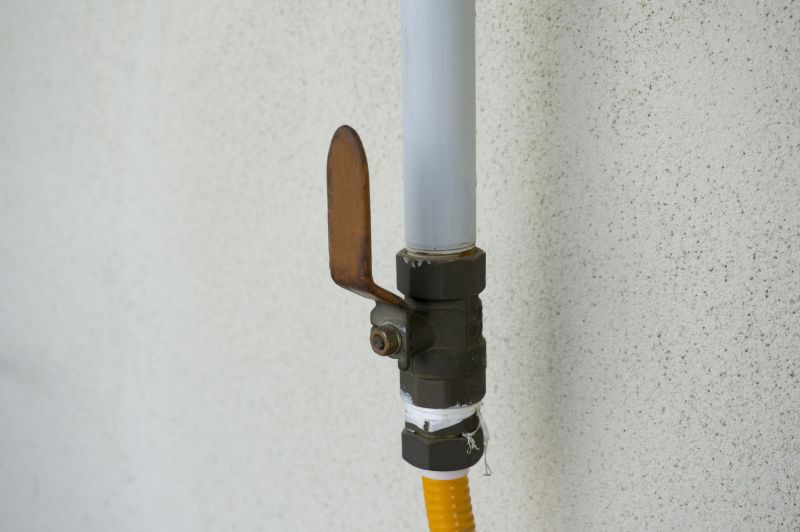
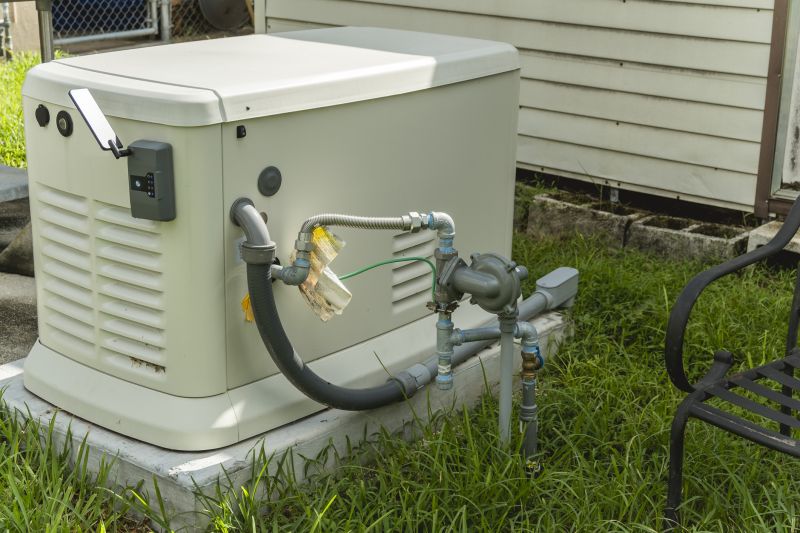
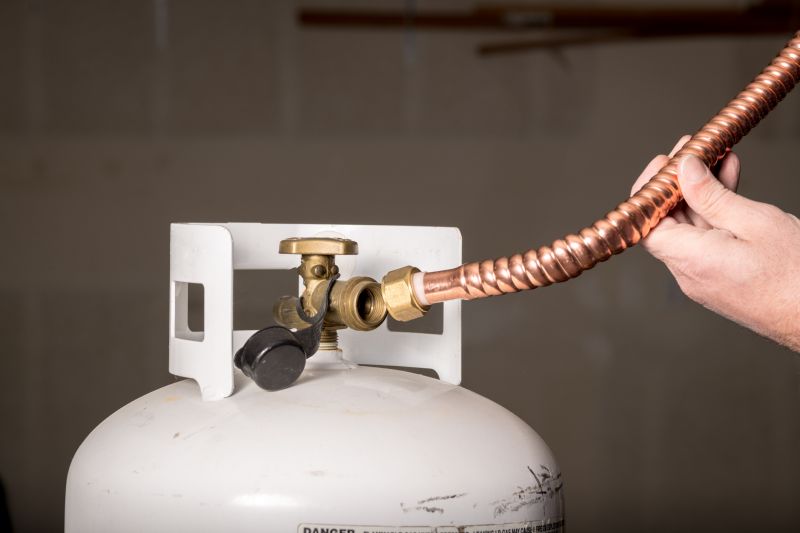
Propane line installation services involve setting up a safe and reliable system for delivering propane gas from a supply source to various appliances within a property. This process typically includes planning the layout, installing piping, and ensuring all connections meet safety standards. Proper installation is essential for homes and properties that rely on propane for heating, cooking, water heating, or outdoor appliances, providing a dependable fuel source for daily needs.
Many common problems can be addressed through professional propane line installation. For example, older or existing lines may need upgrades to meet current safety codes or to accommodate new appliances. Leaks, corrosion, or damage to existing lines can pose safety risks and disrupt propane supply. Skilled contractors can identify these issues and replace or repair lines, ensuring a secure and efficient propane delivery system.
Properties that often require propane line installation include rural homes without access to natural gas, vacation cabins, outdoor entertainment areas, and commercial properties with specialized equipment. These properties benefit from a properly installed propane system that supplies energy for heating, cooking, fireplaces, or generators. Whether constructing a new building or upgrading an existing setup, professional installation helps ensure the system operates safely and efficiently.
Homeowners considering propane for their property should be aware of the importance of professional installation to avoid potential hazards and ensure reliable fuel delivery. If there are signs of leaks, outdated piping, or plans to add new appliances that use propane, it may be time to consult with local service providers. Connecting with experienced contractors can help determine the best approach for your specific property and ensure the propane system is installed correctly and safely.
The overview below groups typical Propane Line Installation projects into broad ranges so you can see how smaller, mid-sized, and larger jobs often compare in your area.
In many markets, a large share of routine jobs stays in the lower and middle ranges, while only a smaller percentage of projects moves into the highest bands when the work is more complex or site conditions are harder than average.
Smaller Repairs - Basic propane line repairs typically range from $150 to $400, covering minor fixes or replacements of small sections. Many routine repairs fall within this range, depending on the extent of the work needed.
Line Extension Projects - Extending existing propane lines to new appliances or outdoor setups usually costs between $500 and $1,500. Larger, more complex extensions can reach up to $3,000, but most projects stay within the middle range.
Full Line Replacement - Replacing an entire propane line system can cost from $2,000 to $5,000 or more, especially for larger properties or complex installations. Many full replacements fall into the higher end of this range, depending on the scope.
Commercial or Large-Scale Installations - Large or commercial propane line installations can vary widely, often from $5,000 up to $20,000+ for extensive systems. These projects are less common and tend to be at the upper end of the cost spectrum.
Actual totals will depend on details like access to the work area, the scope of the project, and the materials selected, so use these as general starting points rather than exact figures.
Natural Gas Line Installation - involves planning and installing piping systems similar to propane lines for residential or commercial natural gas supply needs.
LP Gas System Setup - includes designing and installing propane or other liquefied petroleum gas systems that require precise piping and safety considerations.
Underground Utility Line Installation - covers the laying of underground piping and conduit systems that demand similar planning, trenching, and safety protocols as propane line projects.
Oil Line Installation - involves installing piping for heating oil delivery, sharing skills in piping layout, excavation, and safety practices with propane line work.
Hydronic Heating System Piping - requires expertise in piping and system layout for hot water heating systems, paralleling the skills used in propane line installation.
Gas Appliance Hookup - entails connecting appliances to existing gas lines, requiring knowledge of gas piping and safety standards akin to propane line projects.
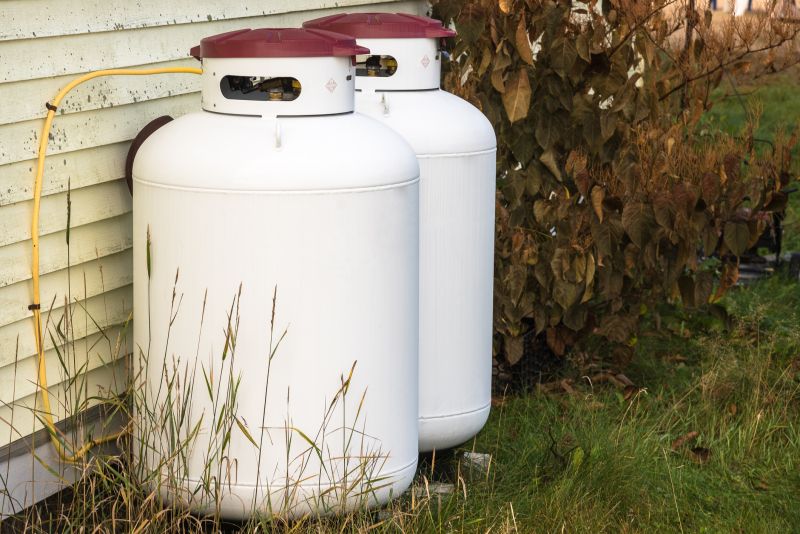
When selecting a service provider for propane line installation, it's important to consider their experience with similar projects. Homeowners should inquire about how long the contractor has been working on propane systems and whether they have completed projects comparable in size and complexity. An experienced local contractor will typically have a better understanding of the specific requirements and challenges associated with propane line installation in the area, which can contribute to a smoother process and a more reliable outcome.
Clear written expectations are essential to ensure that both the homeowner and the service provider are aligned on the scope of work. Pros should be able to provide detailed descriptions of the services they offer, including the steps involved, materials used, and any necessary permits or inspections. Having this information in writing helps prevent misunderstandings and provides a reference point throughout the project, fostering transparency and confidence in the selected contractor.
Reputable references and good communication are key indicators of a dependable local contractor. Homeowners should seek out service providers who can offer references from previous clients with similar projects, giving insight into the quality of work and professionalism. Additionally, effective communication-such as prompt responses to questions and clear explanations-can make the entire process more manageable. It’s important to choose local pros who demonstrate reliability and openness, ensuring a positive experience from initial contact through project completion.
Property owners use Propane Line Installation services for practical projects around their homes and businesses. This guide focuses on everyday jobs and straightforward project options.
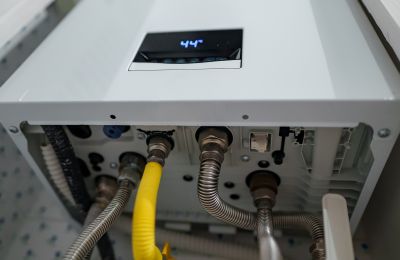
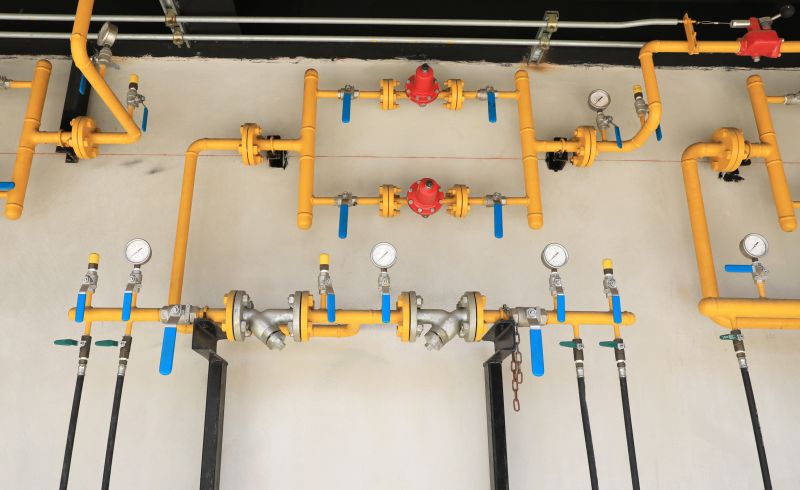
Propane line installation is a common project for property owners who are setting up new appliances, upgrading existing systems, or expanding their outdoor cooking and heating options. Homeowners and business operators might seek these services when they need a reliable and safe connection for propane-powered equipment, such as grills, heaters, or generators. Local contractors can handle the installation process, ensuring that the propane lines are properly routed and securely connected to meet the specific needs of each property.
In addition, property owners may require propane line services when experiencing issues with their current setup or preparing for seasonal changes that increase their reliance on propane. Whether installing new lines or replacing outdated ones, local service providers are available to assist with these everyday project needs. They can help ensure that propane systems operate efficiently and safely, providing peace of mind for property owners looking to maintain their comfort and convenience.
What is involved in propane line installation? Propane line installation typically includes planning the route, assessing the property, and safely installing the piping to connect propane appliances. Local contractors handle these tasks to ensure proper setup and compliance with safety standards.
Are there different types of propane lines for residential use? Yes, there are various types of propane lines, such as underground and above-ground piping, designed for specific applications. Local service providers can recommend the best options based on the property's needs.
How do I know if my property needs propane line installation? If you use propane for heating, cooking, or other appliances and do not currently have a line installed, a local contractor can evaluate your property to determine if installation is appropriate.
What safety considerations are involved with propane line installation? Proper installation by experienced local contractors ensures that propane lines are secure, leak-free, and compliant with safety standards to prevent hazards associated with gas leaks or other issues.
Can existing propane lines be upgraded or extended? Yes, local service providers can often upgrade or extend existing propane lines to accommodate new appliances or changes in usage, ensuring continued safe and efficient operation.
Residential Heating and Cooking - Property owners can have propane lines installed to power home heating systems or kitchen appliances for reliable, on-demand fuel.
Outdoor Living and BBQ Areas - Installing propane lines allows for convenient fueling of outdoor grills, fire pits, or patio heaters to enhance outdoor entertainment spaces.
Swimming Pool Equipment - Propane lines can supply fuel for pool heaters or other equipment, helping maintain comfortable water temperatures and efficient operation.
Emergency Power Backup - Connecting propane lines to backup generators provides a dependable energy source during power outages for essential appliances.
If you are thinking about Propane Line Installation for a property, this guide is meant to help you understand the work, the typical project types, and how different options might fit your plans.
When you are ready, you can use the quote form on this page to share a few details about your project. From there, local pros can review the basics and respond with options that match what you have in mind.