Water Leak Detection in Denver, CO
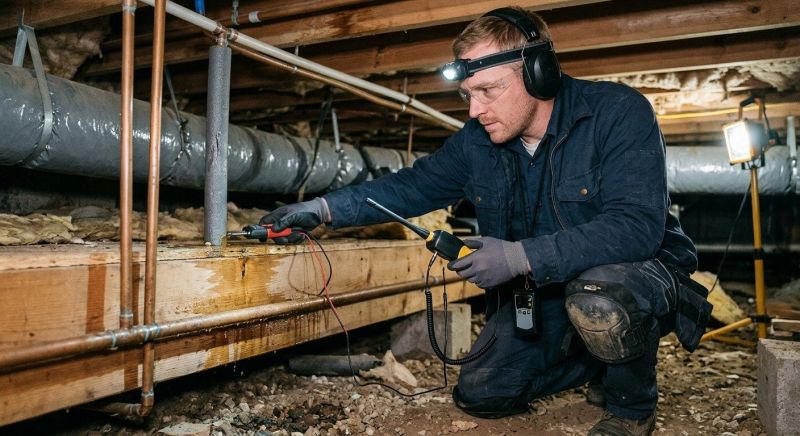
Water leak detection services involve identifying the source of hidden leaks within a property’s plumbing system, walls, floors, or underground pipes. These services are often requested for projects such as sudden increases in water bills, unexplained damp spots, or the presence of mold and musty odors. Homeowners typically want to understand where leaks are located without causing unnecessary damage or disruption to their property, making accurate detection essential for effective repairs and preventing further water damage.
Property owners should consider factors like the age of plumbing, recent repairs, or signs of water intrusion when requesting leak detection. Knowing the specific areas of concern, such as basements, crawl spaces, or underground lines, can help determine the most appropriate detection method. Clear communication about the symptoms experienced and any visible issues can assist in pinpointing leaks efficiently, ensuring repairs are targeted and minimally invasive.
Many property owners in Denver, CO look into Water Leak Detection for repairs, replacements, upgrades, and appearance-related improvements.
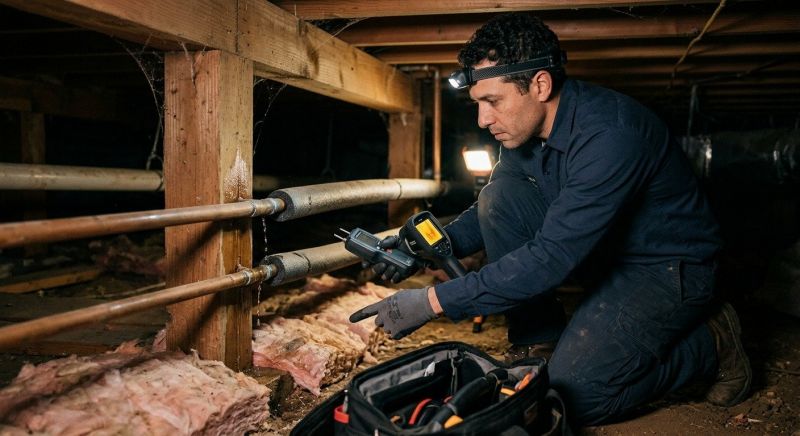
Signs Of Water Leaks
Detecting early signs can prevent extensive damage and costly repairs in denver homes.
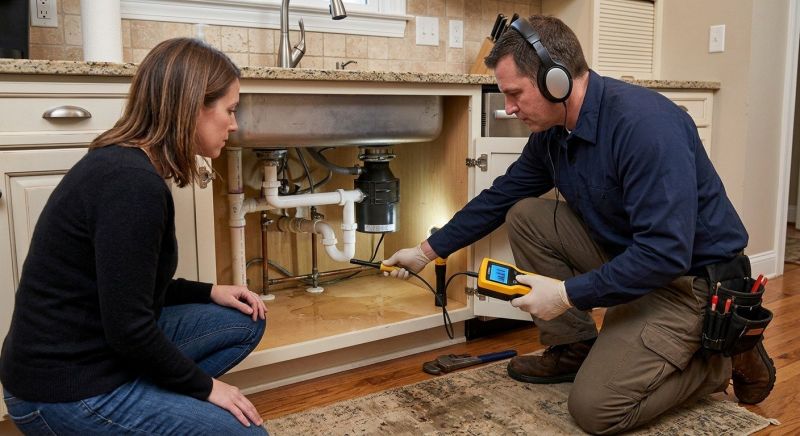
Leak Detection Techniques
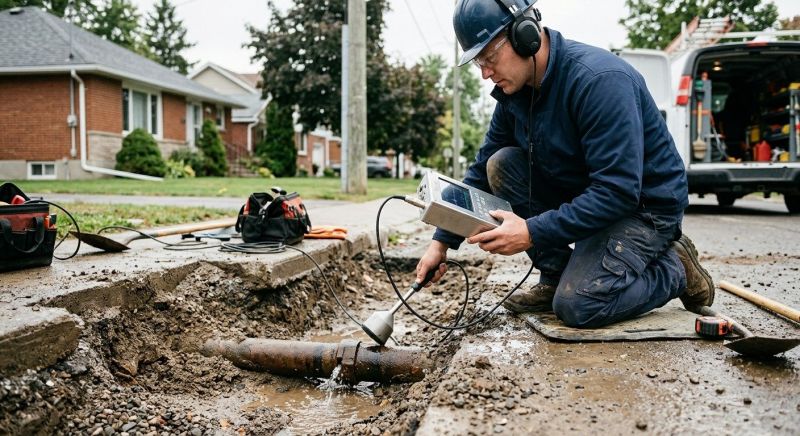
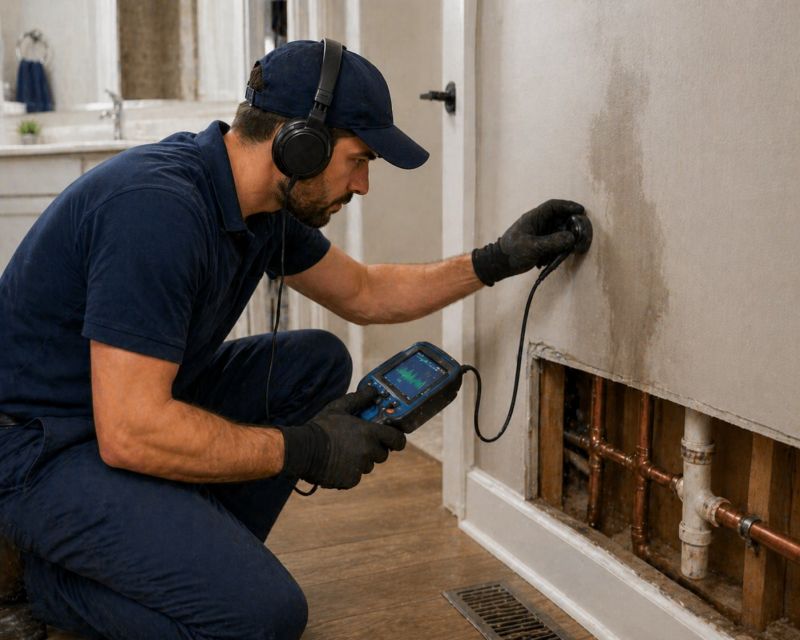
Advanced tools and methods help identify hidden leaks behind walls, under floors, and in hard-to-reach areas.
Preventing Water Damage
Prompt detection and repair of leaks protect property value and ensure the safety of your home.
Water Leak Detection in Denver, CO
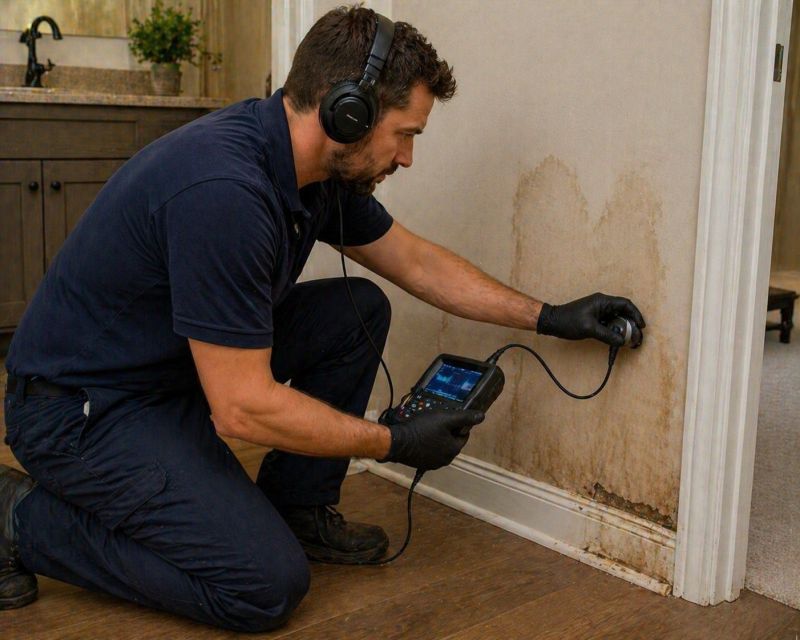
Water leak detection services involve identifying the source of hidden leaks within a property’s plumbing system, walls, floors, or underground pipes. These services are often requested for projects such as sudden increases in water bills, unexplained damp spots, or the presence of mold and musty odors. Homeowners typically want to understand where leaks are located without causing unnecessary damage or disruption to their property, making accurate detection essential for effective repairs and preventing further water damage.
Property owners should consider factors like the age of plumbing, recent repairs, or signs of water intrusion when requesting leak detection. Knowing the specific areas of concern, such as basements, crawl spaces, or underground lines, can help determine the most appropriate detection method. Clear communication about the symptoms experienced and any visible issues can assist in pinpointing leaks efficiently, ensuring repairs are targeted and minimally invasive.
Many property owners in Denver, CO look into Water Leak Detection for repairs, replacements, upgrades, and appearance-related improvements.
Common Water Leak Detection Jobs
Pipe Leak Detection - pinpointing hidden leaks within plumbing systems to prevent water damage.
Slab Leak Detection - identifying leaks beneath concrete slabs that can cause foundation issues.
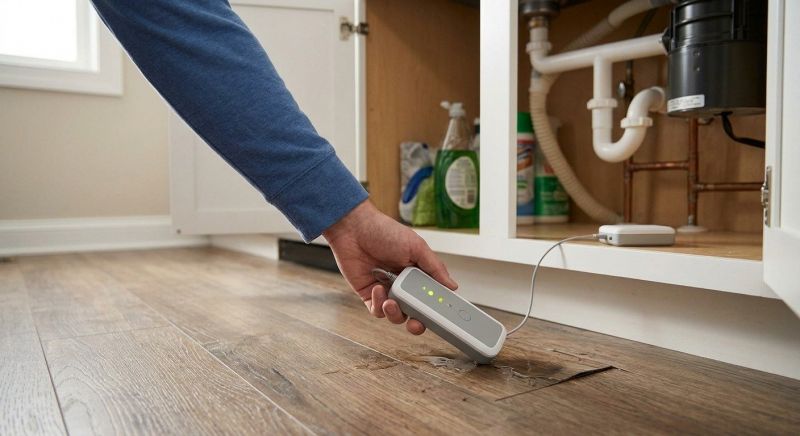
Fixture Leak Detection - locating leaks from faucets, toilets, and other fixtures that waste water.
Water Line Leak Detection - finding leaks in underground or outdoor water supply lines.
Pool Leak Detection - diagnosing leaks in residential swimming pools to conserve water and reduce costs.
Hidden Leak Detection - discovering unseen leaks behind walls or in ceilings before extensive damage occurs.

Water Leak Detection Questions
What are signs of a water leak? Common signs include unexplained increases in water bills, damp spots on walls or floors, and the sound of running water when no fixtures are in use.
How does water leak detection work? It involves specialized tools to identify hidden leaks behind walls, under floors, or in underground pipes without causing damage.
What types of leaks can be detected? Both visible leaks and concealed leaks in plumbing systems, including slab leaks and pipe bursts, can be identified.
Why is early leak detection important? Detecting leaks early helps prevent property damage, mold growth, and costly repairs in the future.
Request Water Leak Detection in Denver, CO
Use the quote form on this page to share the basics of your project and request more information for the type of work you need.